How to Protect Your Nails from Damage: 5 Simple Tips
Nail art is fun, but the wrong habits can leave your nails weak, thin, or brittle. Many people don’t realize that it’s not the polish itself that causes the most damage — it’s how the polish is applied, worn, and removed. A few simple changes in your routine can make a big difference in how strong and healthy your nails look and feel.
In this guide, we’ll walk through five easy, practical tips to protect your nails from damage. Each tip includes small actions you can start today, along with a simple explanation of why it works.
1. Take Breaks Between Gel Sessions
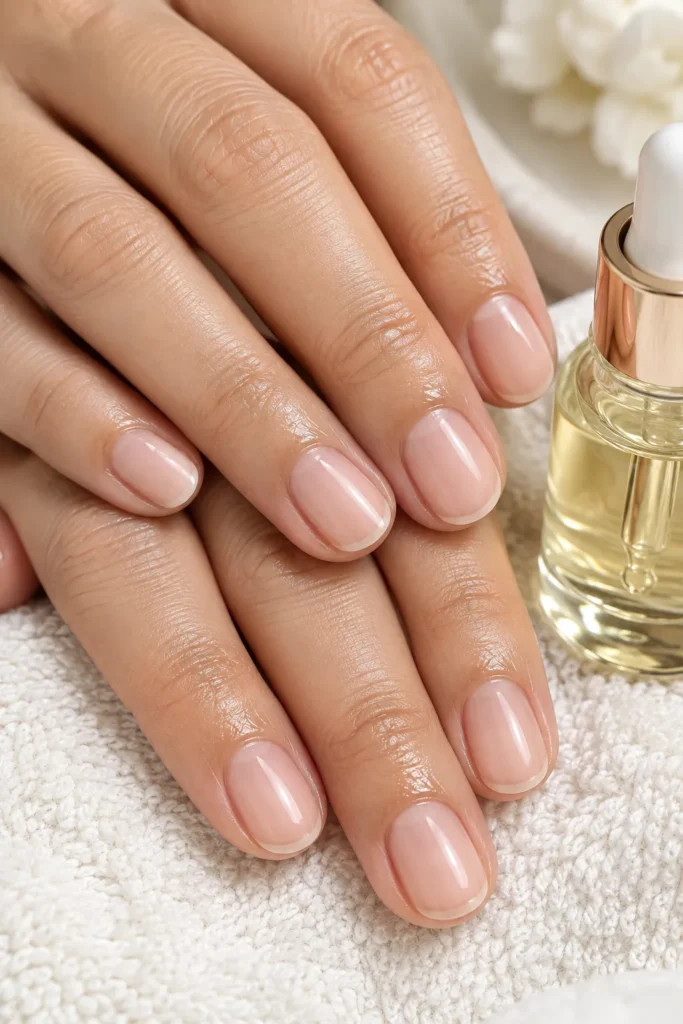
Wearing gel or acrylic nails non-stop doesn’t give your natural nails time to recover. Over time, this can make them dry, thin, and weak. Your nails need air and moisture just like your skin does, and constant layers of gel or acrylic block that natural process.
Quick tips:
- Take a 1–2 week break after every 2–3 gel sessions
- Use cuticle oil daily during the break
- Try a light nude polish instead of skipping color completely
Why This Matters
Nails are made of layers of a protein called keratin. When gel or acrylic sits on top of the nail for weeks at a time, especially with regular removal and reapplication, the natural moisture balance of the nail can be disrupted. This is what leads to the thin, flaky, or peeling look that many people notice after long-term gel use.
A short break allows the nail to rebuild some of its natural strength. During this time, skip the gel and instead use a nourishing base coat or plain cuticle oil. This keeps the nail hydrated without adding more stress to it.
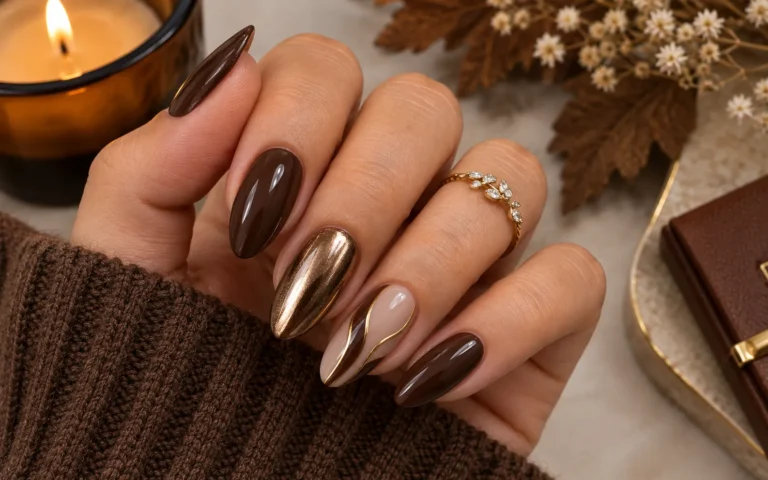
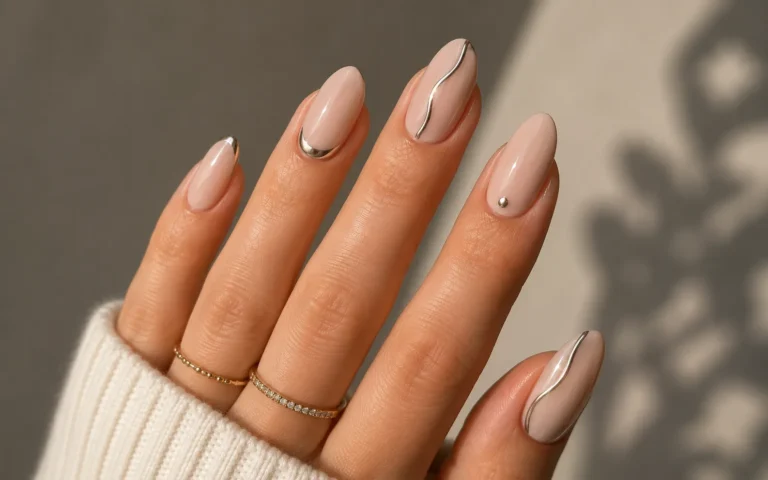
If bare nails feel too plain during a break, you don’t have to go without color completely. A simple nude shade, a soft pastel, or even a thin gold line down the center of the nail can look polished and intentional, while still letting the nail rest underneath.
2. Choose Nail Designs Carefully
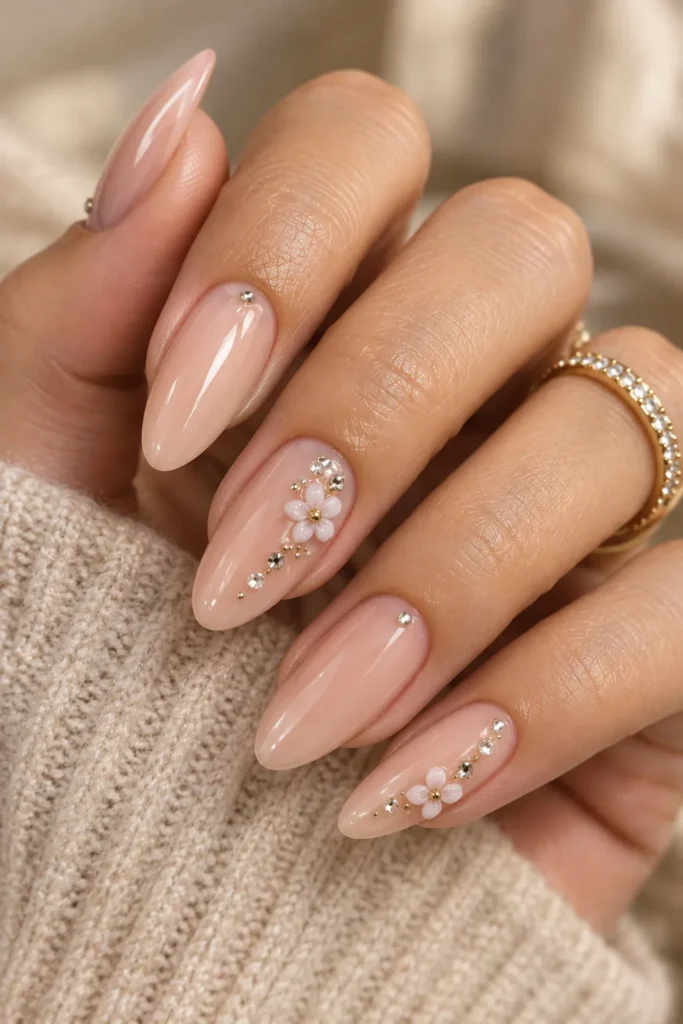
Some nail designs look absolutely stunning but are harder on your nails than others. This doesn’t mean you have to avoid fun or bold designs — it simply means knowing which styles need a little extra care, and how to enjoy them without long-term damage.
Quick tips:
- Limit heavy rhinestones or 3D charms to 1–2 nails
- Keep chrome or mirror powder buffing light
- Use matte top coats less often on sensitive nails
Heavy Embellishments
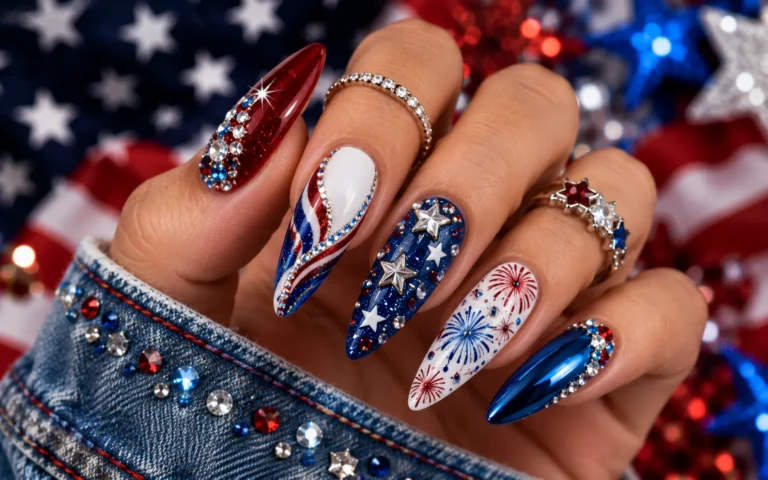
Rhinestones, pearls, and 3D charms create a glamorous, eye-catching look, but they come with a trade-off. Removing them often requires extra filing and sometimes stronger adhesive removal, which can wear down the nail’s surface. Instead of covering all ten nails with heavy embellishments, try using them on just one or two nails — often called an “accent nail.” This gives you the same standout effect with much less risk to your natural nails.
Chrome and Mirror Powder
Chrome and mirror finishes have become extremely popular because of their reflective, metallic look. To get this effect, the nail usually needs to be lightly buffed before the powder or pigment is applied, so the color can stick evenly. The important thing here is moderation. Buffing too hard, or too often, gradually wears down the topmost layer of the nail. If you love this look, ask your nail tech to keep the buffing light, and avoid repeating it too frequently on the same nails.
Matte Top Coats
Matte top coats give a soft, velvety finish that many people love, but some matte formulas contain a higher concentration of certain chemicals compared to glossy top coats. If your nails already feel sensitive, brittle, or prone to breaking, it may help to save matte finishes for special occasions rather than everyday wear.
3. Remove Polish the Right Way
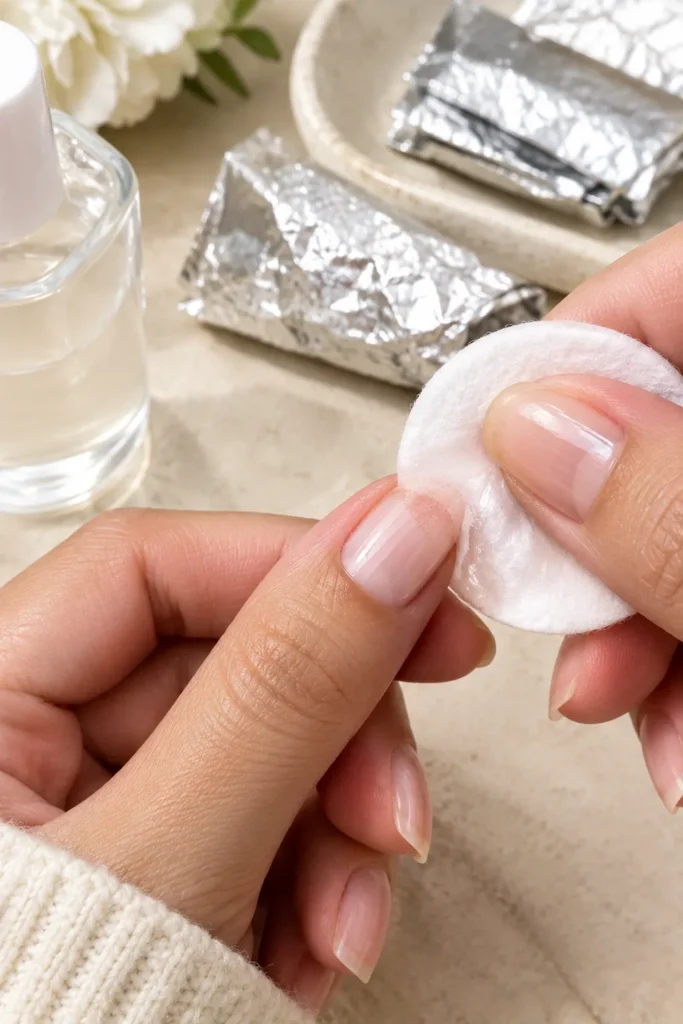
Here’s something many people don’t realize: most nail damage doesn’t come from wearing polish — it comes from removing it the wrong way. The good news is that this is also one of the easiest habits to fix, once you know the correct method.
Quick tips:
- Never peel or pick off gel polish
- Use the acetone soak-off method instead
- Ask your salon which removal method they use
Why Peeling Is So Damaging
When gel or acrylic polish is peeled or picked off, it doesn’t come off cleanly. Instead, it pulls away several thin layers of the natural nail underneath, since the gel bonds tightly to the nail’s surface. This is why nails often look extremely thin, rough, or even slightly bendable right after someone has picked off their gel manicure. Repeating this habit over time can seriously weaken the nail.
The Right Way to Remove Gel
The soak-off method is much gentler and is the standard, recommended approach:
- Soak a cotton ball in acetone.
- Place it directly on top of the nail.
- Wrap the fingertip in a small piece of foil to hold the cotton in place.
- Wait 10–15 minutes for the acetone to soften the gel.
- Gently push the softened polish off using a cuticle stick — never scrape or force it.
If any polish remains stubborn, it’s better to repeat the soak for a few more minutes than to scrape it off by force.
What to Ask at the Salon
Some salons use an electric drill to remove gel more quickly. This can be safe when done correctly by an experienced technician, but if used too aggressively, it can thin the nail plate. If you’re unsure, it’s completely reasonable to ask your salon which method they use, and to request the soak-off method if you prefer a gentler option.
4. Pick a Nail-Friendly Polish
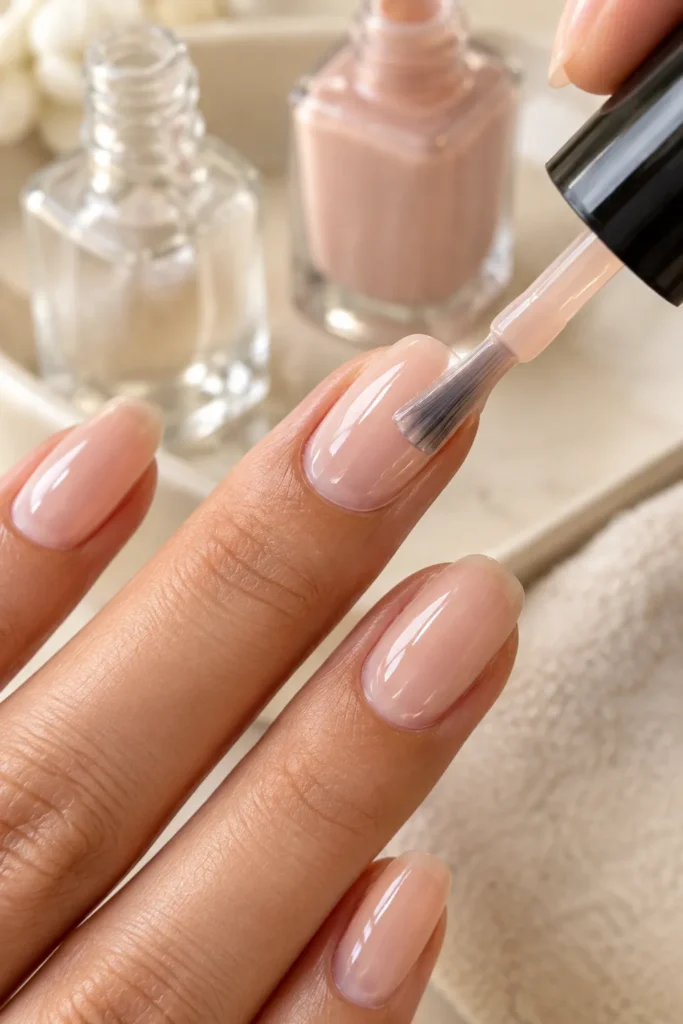
Not all nail polish is made the same way. Some formulas are significantly gentler on your natural nails than others, and checking the label before you buy takes only a few seconds.
Quick tips:
- Look for “5-Free” or “10-Free” on the label
- Avoid polish with a very strong chemical smell
- Choose lighter, breathable formulas if you wear polish often
What “5-Free” and “10-Free” Mean
These labels indicate that a polish skips certain chemicals that were once common in nail polish formulas but have been linked to nail damage and, in some cases, other health concerns with heavy or repeated exposure. Commonly excluded ingredients include:
- Formaldehyde
- Toluene
- DBP (Dibutyl Phthalate)
- Camphor
- Formaldehyde resin
Polishes without these ingredients tend to be gentler on the nail bed over time. Many people who switch to a “10-Free” formula notice their nails look less yellow and feel less dry after weeks of regular polish use, especially if they often wear light, sheer, or nude shades, where yellowing tends to be more visible.
A Quick Note on Chemical Smell
While a strong smell alone doesn’t automatically mean a polish is harmful, it can be a sign of higher levels of certain solvents. If you’re polishing your nails often, choosing a milder-smelling, cleaner formula is a simple way to reduce your overall exposure.
5. Build a Simple Weekly Routine
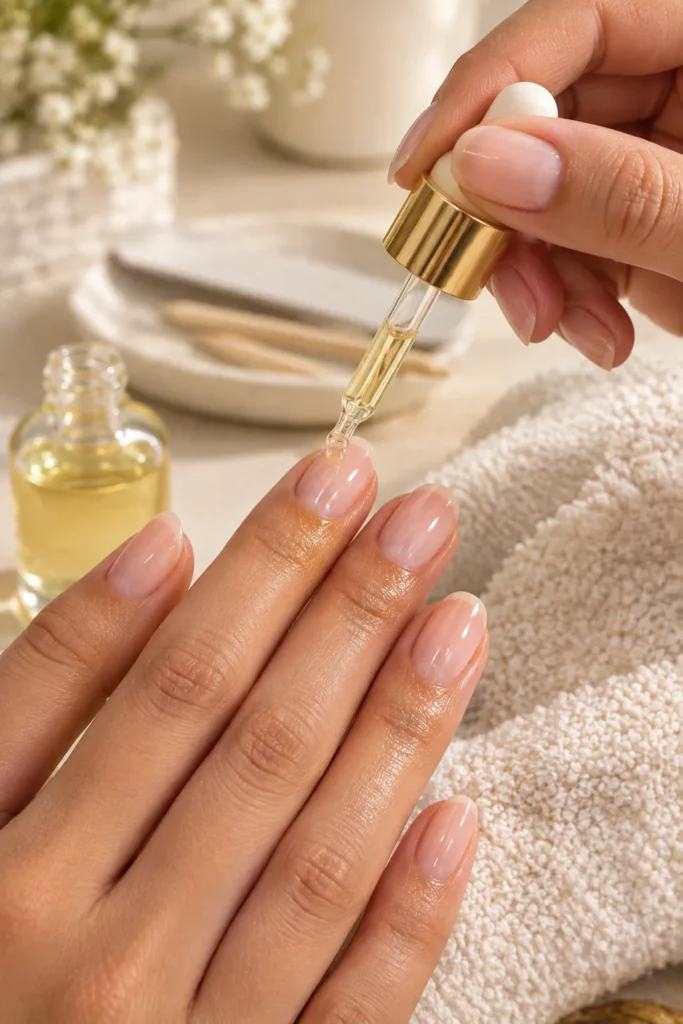
Small, consistent habits often make a bigger long-term difference than any single treatment or expensive product. Nail health, like skin health, responds well to routine.
Quick tips:
- Apply cuticle oil every night
- Never skip the base coat
- Keep one day a week polish-free
Cuticle Oil, Every Night
Massaging a small amount of cuticle oil around your nails each night helps lock in moisture and keeps the surrounding skin from becoming dry or cracked. This is a simple, low-effort habit that takes less than a minute per hand but adds up significantly over weeks and months.
Never Skip the Base Coat
A base coat does more than just help your polish last longer. It also creates a barrier between the nail and the polish pigment, which helps prevent staining and yellowing — especially important if you frequently wear darker or brighter colors like red, orange, or deep blue.
One Polish-Free Day
If your schedule allows it, try to keep at least one day a week completely polish-free. This gives your nails a small window to breathe and reduces the constant cycle of applying and removing color, which is one of the most common causes of long-term weakening.
Don’t Forget What’s Happening Underneath
While polish, gel, and removal habits play a big role in nail health, it’s worth remembering that your nails are also affected by what’s happening inside your body. Diet, hydration, and general health all show up in your nails over time, sometimes before you notice them anywhere else.
Quick tips:
- Drink enough water throughout the day
- Include protein-rich foods in your meals
- Wear gloves when doing dishes or cleaning
Hydration and Diet
Nails are made mostly of keratin, a protein that also makes up your hair and the outer layer of your skin. A diet low in protein, or a body that’s frequently dehydrated, can lead to nails that are naturally more brittle, regardless of how carefully you apply or remove polish. Foods like eggs, fish, leafy greens, and nuts are commonly recommended for supporting healthy nail growth, since they provide the building blocks your body needs.
Protecting Nails from Household Chores
Frequent contact with water, especially combined with soap and cleaning chemicals, can weaken nails over time. This is because repeated wetting and drying cycles cause the nail to expand and contract, which gradually breaks down its structure. Wearing rubber gloves while washing dishes or cleaning the house is a simple habit that protects both your polish and your natural nails underneath.
Frequently Asked Questions
How long does it take for damaged nails to grow back healthy? Nails typically grow about 3 millimeters per month, so it can take anywhere from 3 to 6 months for a fully healthy nail to grow out and replace a damaged one, depending on how deep the damage is.
Is gel polish worse than regular nail polish? Gel polish itself isn’t necessarily worse, but the application and removal process — especially UV curing and acetone soaking — can be harder on nails if not done carefully. Regular polish, when removed gently, is generally lower-risk.
Can biotin or supplements help strengthen nails? Some people report stronger nails after taking biotin supplements, though results vary from person to person. A balanced diet and proper nail care routine tend to have a more consistent effect than supplements alone. If you’re considering supplements, it’s a good idea to check with a doctor first.
How often should I let my nails go polish-free? Even one day a week, or a short 1–2 week break every couple of months, can help maintain healthier nails over time.
Does wearing gloves really make a difference for nail health? Yes. Repeated exposure to water, soap, and cleaning chemicals is one of the most common everyday causes of weak or peeling nails. Wearing gloves during chores like washing dishes is a small habit that adds up to noticeably stronger nails over time.
Final Thoughts
You don’t have to choose between beautiful nails and healthy nails. With the right breaks between gel sessions, thoughtful design choices, safe removal habits, and a simple weekly routine, you can enjoy nail art without long-term damage. Start with just one tip this week, and build from there — your nails will thank you.